Education Translation Services: Making Learning Accessible for All
Education has always been about communication. A teacher explaining a concept, a student asking a question, a parent reading a note that comes home in a backpack. When language gets in the way of any of those moments, learning quietly slips.
That's the problem education translation services are built to solve. They turn educational documents, lessons, and conversations into a language students and families can actually use, and they've become essential as classrooms grow more multilingual every year.
In this guide, I'll cover the main types of education translation services, the benefits backed by recent research, how to choose the right one for your school, and where the field is headed next. Here's the short version before we get into the details.
TL;DR
- Education translation services include both human-led work and fast AI tools, often used side by side.
- Services cover written documents, classroom materials, live meetings, and specialized academic work.
- Research links them to better grades, stronger parent engagement, and improved student well-being.
- When choosing a service, focus on subject matter expertise, language coverage, privacy, and clear pricing.
- The future points to real-time voice translation, personalization, and stricter data rules.
The first place to start is with the different types of services your school might need.
Types of Education Translation Services
"Translation" sounds like one thing, but in a school setting it's actually a handful of different services. Knowing which one you need saves time and money.
Document Translation
This is the written stuff: report cards, enrollment forms, parent handbooks, permission slips, individualized learning plans, and curriculum materials. Most education systems require schools to provide essential documents in a language families can read.

Classroom Translation (Instruction Materials)
Classroom translation covers worksheets, reading passages, science labs, and assessments. Several platforms now offer side-by-side translations of texts and questions in a wide range of languages. This lets students check their understanding against their home language while still working on grade-level content in the school's main language.
AI-Powered Real-Time Translation
As a fast-growing category, AI-powered live translation allows teachers and parents to talk in real time, even when they don't share a language. Tools like Maestra's live voice translator or Microsoft Translator for Education can handle parent-teacher conferences, school events, and more with surprisingly good accuracy.
Translate School Conversations in Real Time
Human Interpretation Services
Sometimes you need a real person in the room. Human interpreters are the right choice for critical conversations and any situation where tone, emotion, or cultural nuance matters. This method usually comes in three formats: on site, over the phone, or video remote interpretation.
Sign Language Interpretation
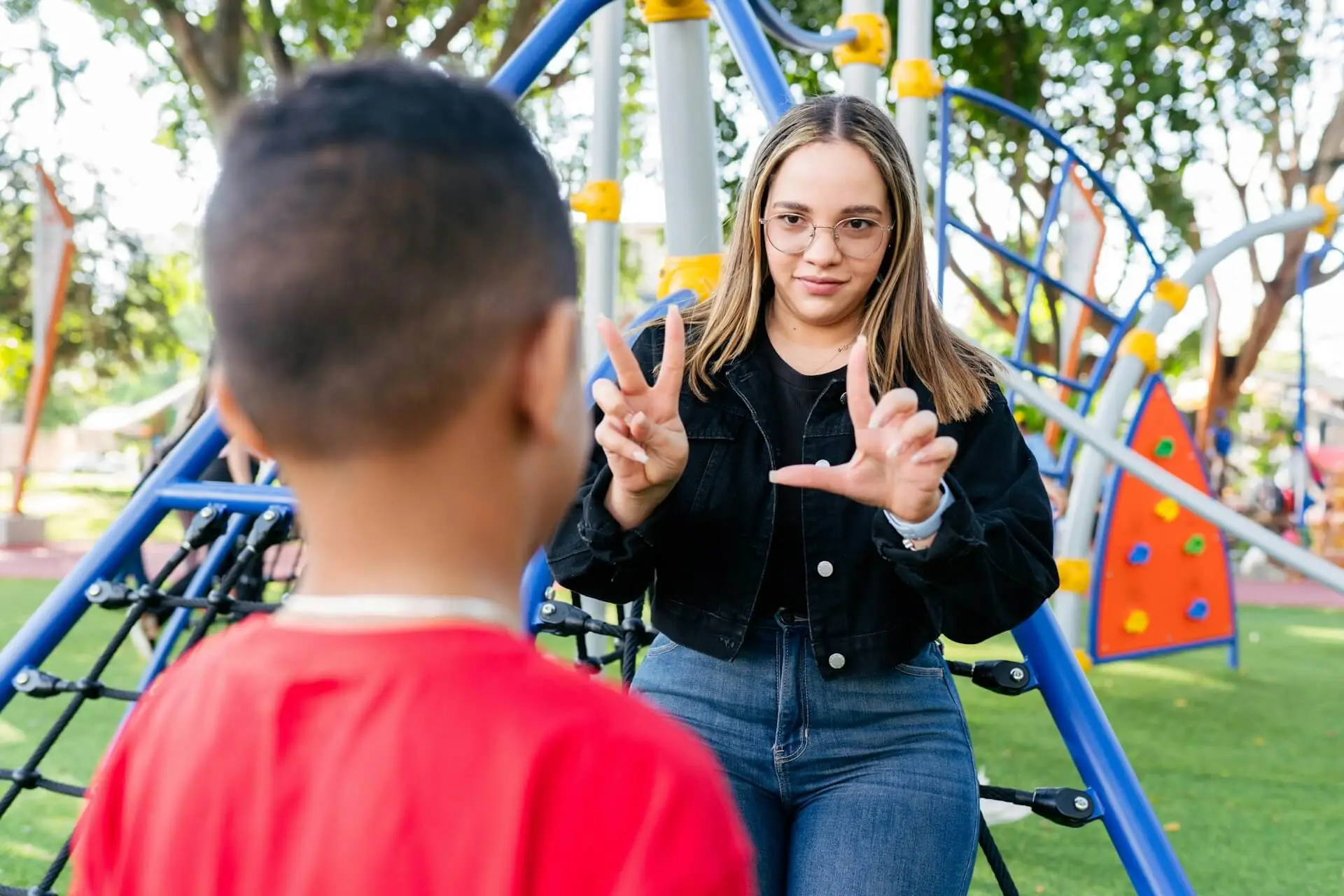
Sign language interpretation supports deaf and hard-of-hearing students, parents, and staff. The specific sign language varies by country, so make sure your provider matches the one used in your community.
Specialized Academic Translation
Specialized academic translation is built for higher education and study-abroad cases, including transcripts, diplomas, research papers, and academic publications. These documents usually require certified translators who are familiar with subject-specific vocabulary.
Many school leaders and teachers wonder if all of this effort is really worth the time and budget it takes. It's a fair question, especially for schools that are already stretched thin.
Researchers, education ministries, and individual schools have been measuring the impact of translation services for years, and the results point in the same direction.
The Benefits of Education Translation Services
The data clearly shows that translation in schools delivers benefits well beyond simple communication. It shapes how students learn, how families connect with their child's school, and how teachers do their jobs day to day. Below are the benefits that show up most consistently in research and in real classrooms around the world.
Better Academic Outcomes
UNESCO's research shows that when children learn in their first language, they have better reading and comprehension skills, which makes it easier to learn additional languages later. The benefit shows up across subjects, including math and science. [1]
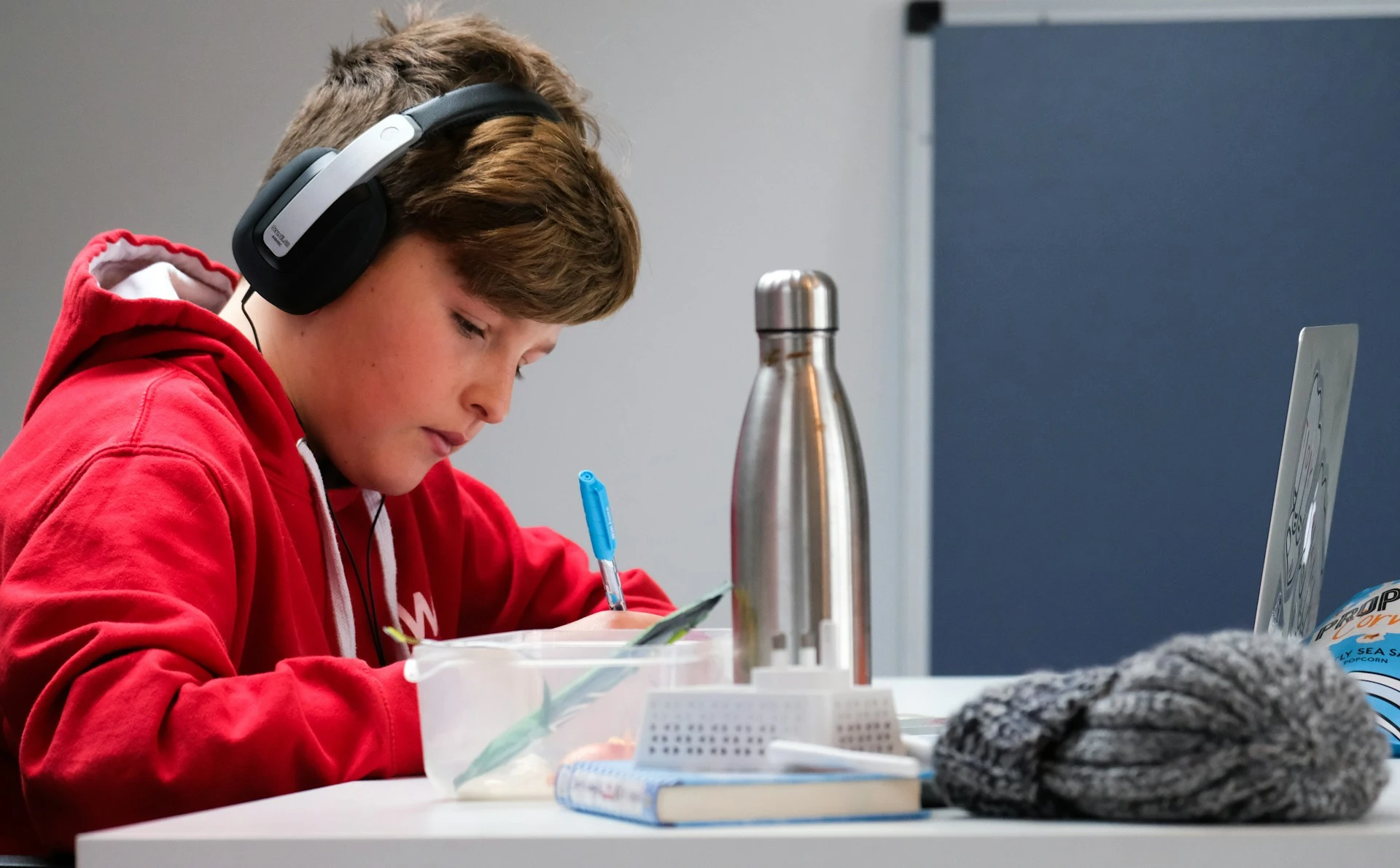
Meanwhile, a 2025 longitudinal study published in Behavioral Sciences tracked nearly 15,000 dual language learners. The researchers found that students who reached proficiency in their second language earlier went on to earn better middle school grades and score higher on standardized tests. [2]
💡 Key takeaway: Translation works as a bridge that keeps students on grade level while they build the long-term language skills they need. Schools that treat it as part of their teaching strategy, rather than a side service, tend to see academic gains that last well beyond the early years.
Stronger Parent Engagement
Parent engagement has a measurable impact on student success. [3] The challenge is that families who don't speak the school's main language often get left out of these conversations entirely. Language barriers can keep parents from attending meetings, asking questions, or helping with homework, even when they want to be involved. Translation services close that gap.
💡 Key takeaway: Translation turns parent engagement from a one-sided announcement into a real conversation. When families understand what their school is saying, they show up more, ask better questions, and play a bigger role in their child's learning at home.
Equity and Inclusion
Equity in education means making sure every student gets a fair shot, regardless of the language they speak at home. Translation services play a direct role in that.
UNESCO's 2025 report points out that more than 31 million displaced young people around the world struggle with language barriers in education. [4] For refugee, migrant, and minority-language students, translation is often what stands between them and a real education.
💡 Key takeaway: Translation helps schools live up to the equity goals they talk about. When language stops blocking the door, students from minority-language backgrounds can take part as full members of the school, and the whole classroom can also benefit from that.

Confidence and Mental Health
Students who don't fully understand the language of instruction often spend most of their day just trying to keep up, which leaves little energy for actual learning. Over time, that pressure can lead to anxiety, low self-esteem, and a quiet decision to stop participating altogether.
A 2024 systematic review published in the Journal of Mental Health found that language barriers contribute directly to social isolation, loneliness, and a lower sense of belonging among students learning in a second language. [5] Translation tools and bilingual support reduce that mental load.
💡 Key takeaway: Translation gives students the breathing room they need to learn. Lower stress in class means better focus, better participation, and a stronger sense of belonging at school.
The benefits above only show up when the translation itself is good. A poorly translated document or a robotic interpreter at a parent meeting can do more harm than no translation at all. That's why choosing the right service matters as much as deciding to offer translation in the first place.
How to Choose an Education Translation Service
Picking a translation service for a school isn't quite the same as choosing one for a business. The stakes are different, the audience is different, and the documents you handle are often sensitive.
After watching different educational institutions go through this process, here's what I'd pay attention to.
Look for Education-Specific Experience
A service that mostly translates marketing materials probably isn't the right fit for a school. Translating a science worksheet or a behavior report calls for different skills, vocabulary, and tone.
📌 Tip: Ask the service for samples from other schools and check whether their translators have actually worked in education before. If you're considering an AI tool, look for one that has been tested with educational content, since general-purpose translators can miss subject-specific vocabulary.
Check Their Language Coverage
A school's language needs are rarely about just one or two languages. A quick survey of the home languages spoken in your school community will give you a real picture of what you need to cover.
📌 Tip: Match your list to what each tool or service actually delivers. Tools like Maestra's AI interpreter, which support translation in over 125 languages, help cover both the common languages and the rarer ones.
Don't Overlook Cultural Awareness
A literal translation can technically be correct and still completely miss the point. Idioms, examples, and even the way a school addresses parents change a lot from one culture to another.
📌 Tip: Ask the service whether their translators have direct experience with the cultures of the families your school serves. For AI tools, check if they can adapt tone for different audiences and handle regional accents.
Rely on Human Translators for High-Stakes Documents
Some school documents carry real weight. Special education plans, disciplinary records, transcripts, and diplomas can shape a student's future, and a small translation error in any of them can cause big problems.
📌 Tip: Set a clear internal rule about which documents always go through a certified human translator and which can be handled by AI. Once that line is drawn, both your staff and your translation service will know exactly what to expect.

Pay Attention to Turnaround Time
A permission slip needed by the end of the day is a different kind of job than a 60-page parent handbook. Schools rarely deal with just one type of translation, so a service that's fast on small jobs but slow on big ones can leave you stuck at the worst moments.
📌 Tip: Check turnaround promises for both small and large jobs with human services. In case of AI, test the tool on a long document before you rely on it, since some slow down or lose accuracy past a certain page count.
See How Well They Handle Integrations
Most schools already run on a stack of digital tools. A translation service that doesn't connect with these tools means more manual work for your staff: copying, pasting, downloading, re-uploading, and double-checking everything along the way.
📌 Tip: Ask whether the service offers direct integrations or an API for the platforms your school uses. Also check whether the tool supports common file types like .docx, .pdf, and .srt without breaking the formatting.
Check the Data Privacy Practices
Schools handle some of the most sensitive information out there. Student names, grades, health details, and family contact information all flow through translation tools at some point, and that data needs to stay protected.
📌 Tip: Ask whether the service stores your documents and whether they comply with the data protection laws that apply in your country. If the answers feel vague, that's usually a red flag.
Make Sure the Pricing Is Clear
Translation pricing can get messy fast. Some services charge per word, others per page, and a few use hourly rates for interpretation.
📌 Tip: Ask for a full quote based on a real sample of your school's typical work, not a generic price list. For AI tools, check whether the pricing is based on words, characters, or monthly subscriptions, and confirm what happens if you go over your plan's limit.
The translation services schools use today look very different from what was on the market even three or four years ago. The pace of change is only picking up, and the next few years will bring shifts that affect how teachers teach, how parents stay informed, and how students learn in any language.
The Future of Education Translation
A few clear trends are shaping where education translation is headed. None of them will replace good teaching or human judgment, but they will change the daily reality for schools, parents, and students in ways worth paying attention to.
AI as a Classroom Assistant, Not a Replacement
A 2025 Microsoft report found that 86% of education organizations now use generative AI, the highest adoption rate of any industry. [6] Translation is one of the most common use cases.
The pattern that's emerging is hybrid: AI handles the heavy lifting on speed and volume, while teachers and trained translators stay in the loop for accuracy and cultural context.
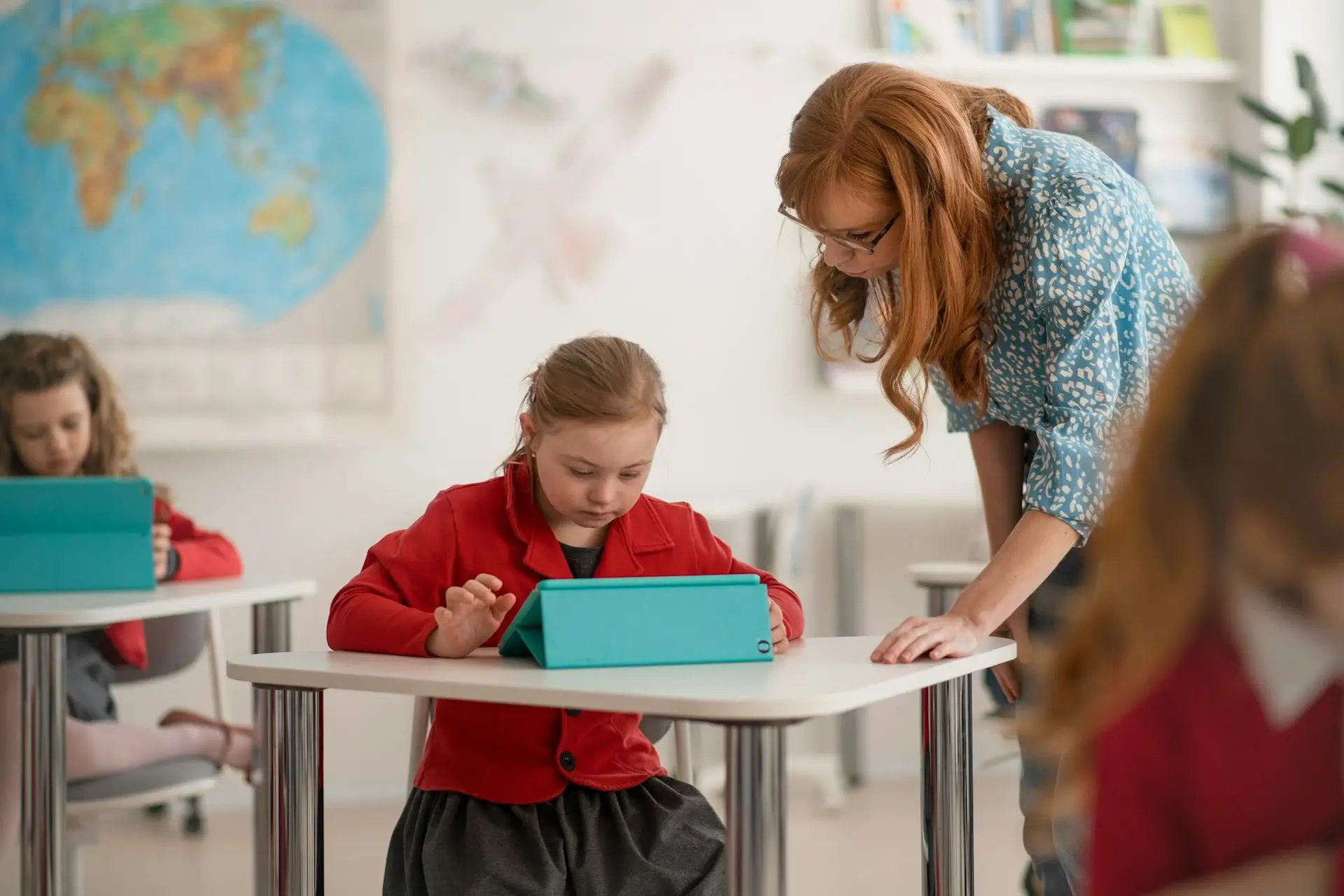
AI can help bridge language barriers in schools with diverse populations.
🧑🏫 Translation is just one slice of how AI is showing up in classrooms. If you're curious about the wider picture, our blog on the best AI tools for teachers walks through the most useful ones in detail.
Real-Time Voice Translation Becomes Normal
Live voice translators have crossed a quality threshold in the last year or two. Tools that once produced awkward, robotic output now handle natural conversations, including the back-and-forth of parent-teacher meetings, with surprising accuracy.
According to industry analyses, the shift comes from large language models replacing older neural machine translation systems. [7] For schools, this means parent meetings, classroom Q&A, and enrollment interviews can happen across languages without scheduling a human interpreter weeks in advance.
Try Live Education Translation
Personalization at the Student Level
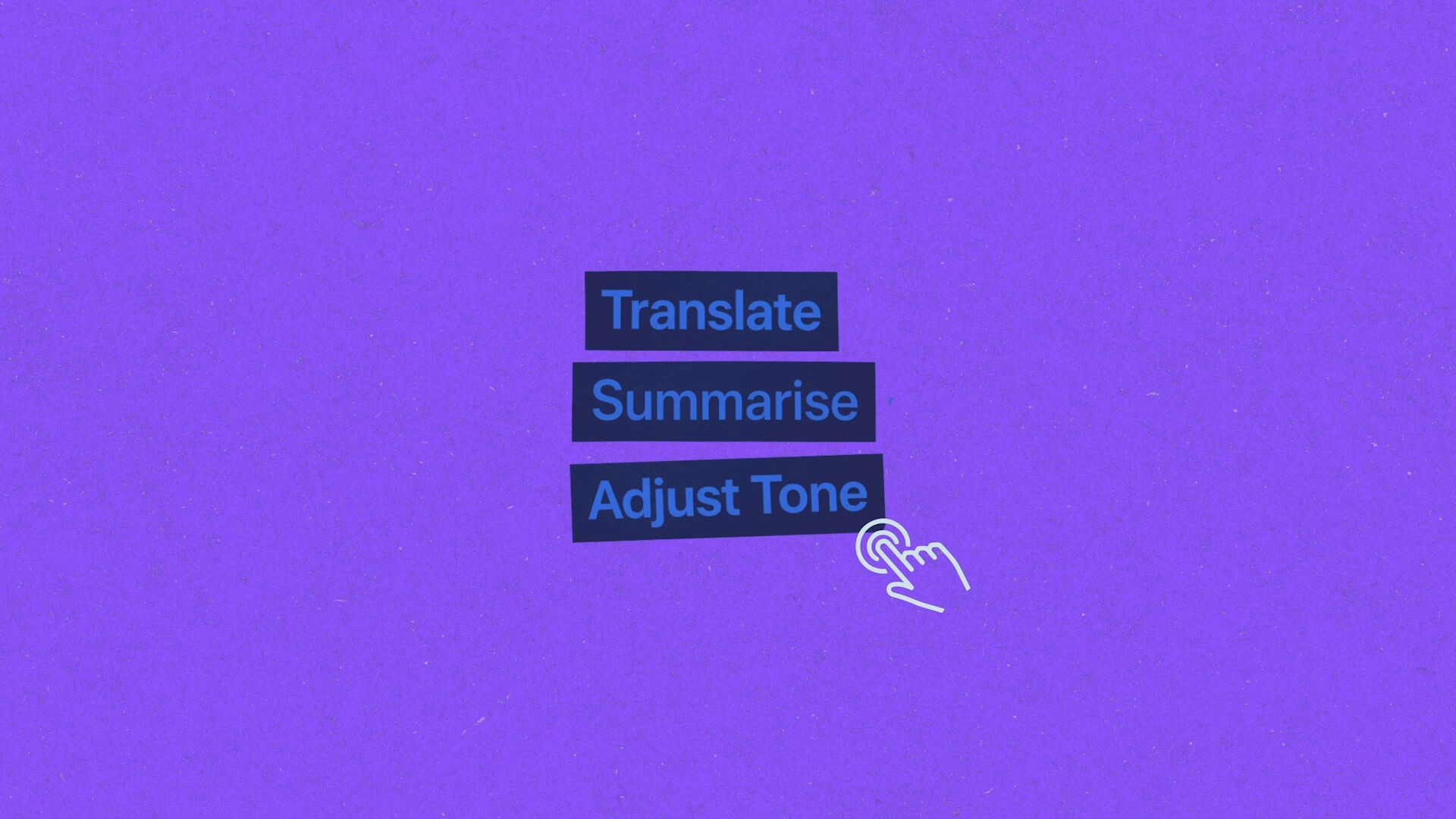
AI can now adjust the reading level of a translation, swap in culturally appropriate examples, and produce an audio version in seconds. Work that used to take a team of editors and a week now happens in real time.
For students with learning differences or those still building literacy in their home language, this kind of personalization can be the difference between accessing a lesson and giving up on it.
🎧 If you want to dig deeper into the audio side of this, our blog on how does text to speech help students is a good place to start.
Schools Will Demand Stronger Privacy Protections
As more student data moves through translation tools, schools and ministries of education are putting tighter rules around what providers can and can't do with that data. Industry reports for 2026 highlight a clear shift toward secure, human-supervised AI setups. [8]
Schools will want clear privacy rules and straight answers about how AI is used before they agree to work with a service.
Final Thoughts
The next few years are going to keep changing what education translation looks like. AI will keep getting faster, voice translation will keep getting more natural, and the line between human and machine work will keep moving. What won't change is the basic promise of this work: that students and parents deserve to understand what's happening in their school, from daily lessons to student handbooks to evaluation reports.
If you're a school leader, this is the moment to put real thought into your translation strategy. Choose tools that deliver high-quality translations, build clear policies around privacy and human review, and pay close attention to your international students and the families standing behind them. Even small steps, like translating one critical document or running a parent meeting with a live interpreter, can change how families and students experience your school.
Frequently Asked Questions
What are education translation services?
Education translation services turn school content into a language students and families can actually understand. That includes written documents like report cards and parent letters, classroom materials like worksheets and lessons, and live conversations like parent-teacher meetings. Some services rely on human translators, others use AI, and many schools use a mix of both.
Which languages should a school prioritize?
Start with a quick survey of the home languages spoken in your school community. Ask each family to share their preferred language for school communication, since it isn't always the same as the one spoken at home. The less common languages on your list often deserve the most attention, since those families are usually the ones most at risk of being left out.
How can a school get started with education translation services?
Start by listing the home languages in your school community and the types of documents and meetings you handle most often. Then look for a service that fits your size, your languages, and your budget. Set a clear internal rule about which documents need a human translator and which can be handled by AI.
How much do education translation services cost?
Document translation is usually priced per word, while interpretation is priced per hour. AI tools tend to use monthly subscriptions or per-character pricing. Most schools find that combining a paid AI tool for everyday needs with a human service for high-stakes work keeps costs predictable without sacrificing quality.
Will AI replace human translators in schools?
Not in the way many people fear. The translation process is shifting rather than disappearing. AI handles the heavy lifting on volume and speed, while human translators step in for cultural judgment, sensitive meetings, and documents where accuracy really matters.
References