Chaitanya P.
Managing Director"Master the Media with Maestra"
The best side of this product is auto subtitling. And most importantly, it supports multiple languages.
Read full review English
 French
 Arabic
 German
 Spanish
 Japanese

Trusted by Teams Worldwide
Upload an MP4, MOV, MKV, or AVI file directly into Maestra and pick your target language from 125+ options. No file prep needed.
Choose an AI voice from Maestra's library or clone the original speaker's voice. Pick the accent and expression so the delivery matches the performance on screen.
Fine-tune anything you want in the editor, then switch on lip sync in the export tab. Maestra aligns the lip movements and returns a finished video in minutes.
Generate lifelike voiceovers in 125+ languages with accent and emotion options, then sync the lips to match.



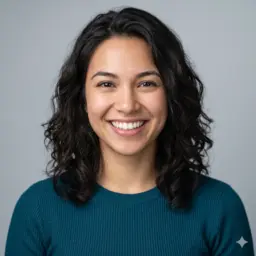
Regenerate any speaker in 29 languages and pair it with lip sync.
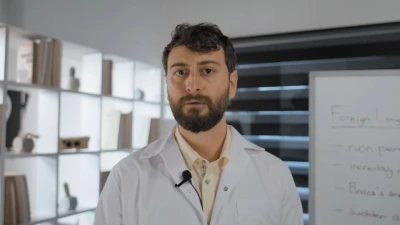
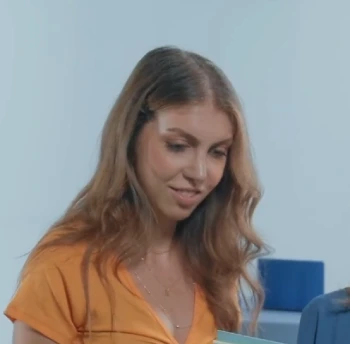
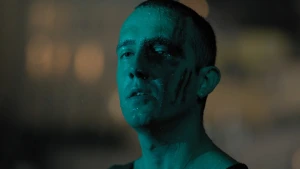

Everything between the upload and fully synced video, handled in one tool.
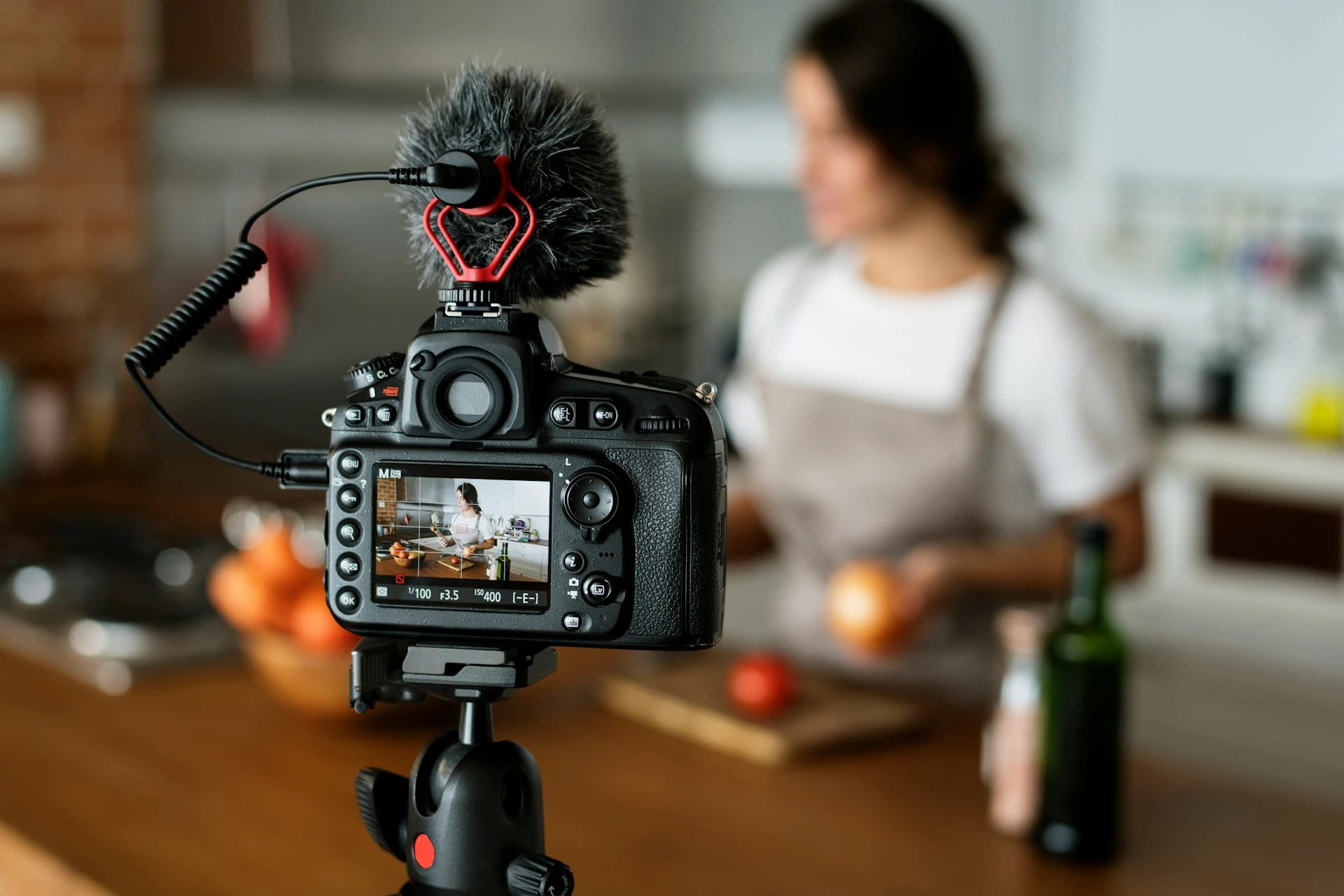
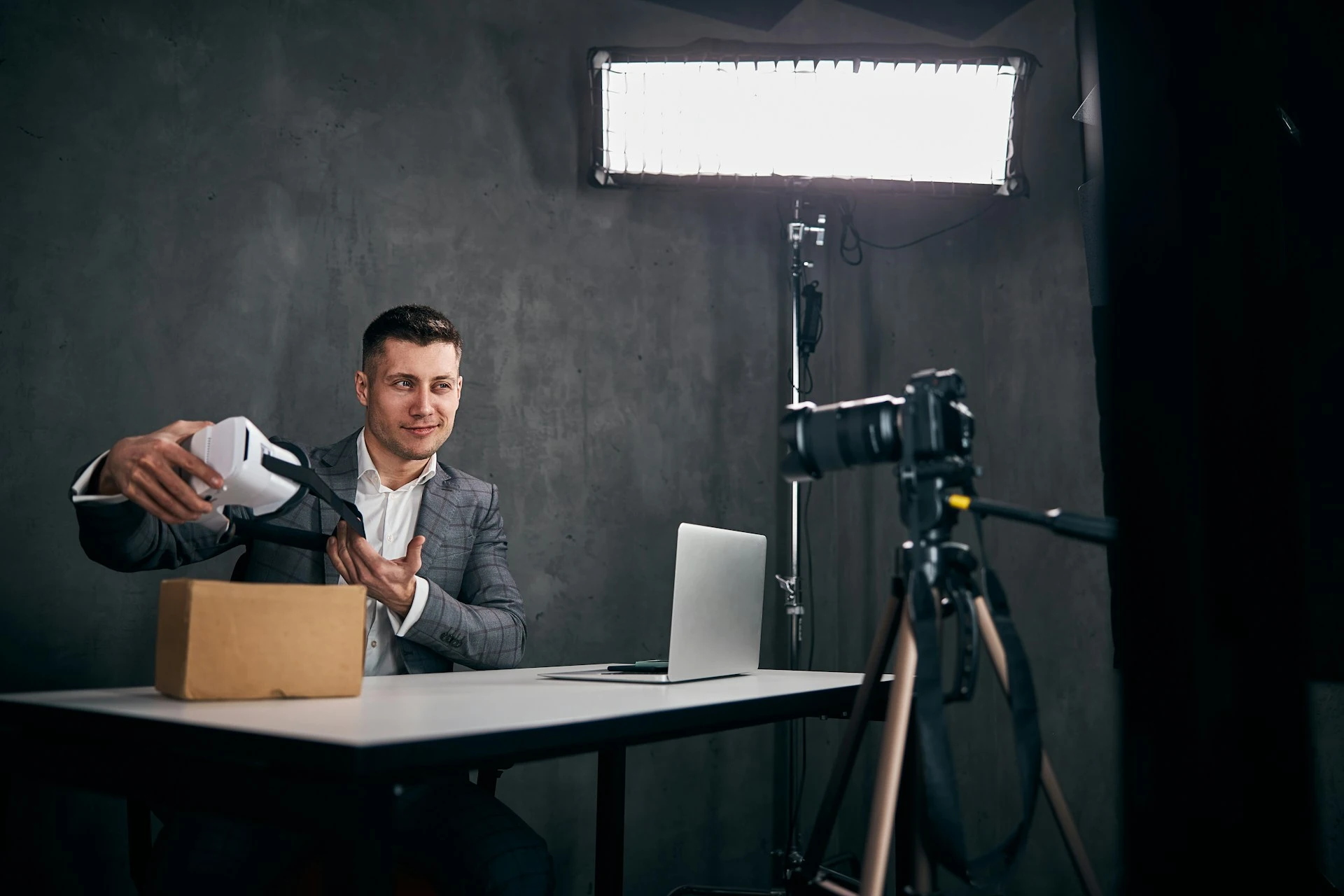
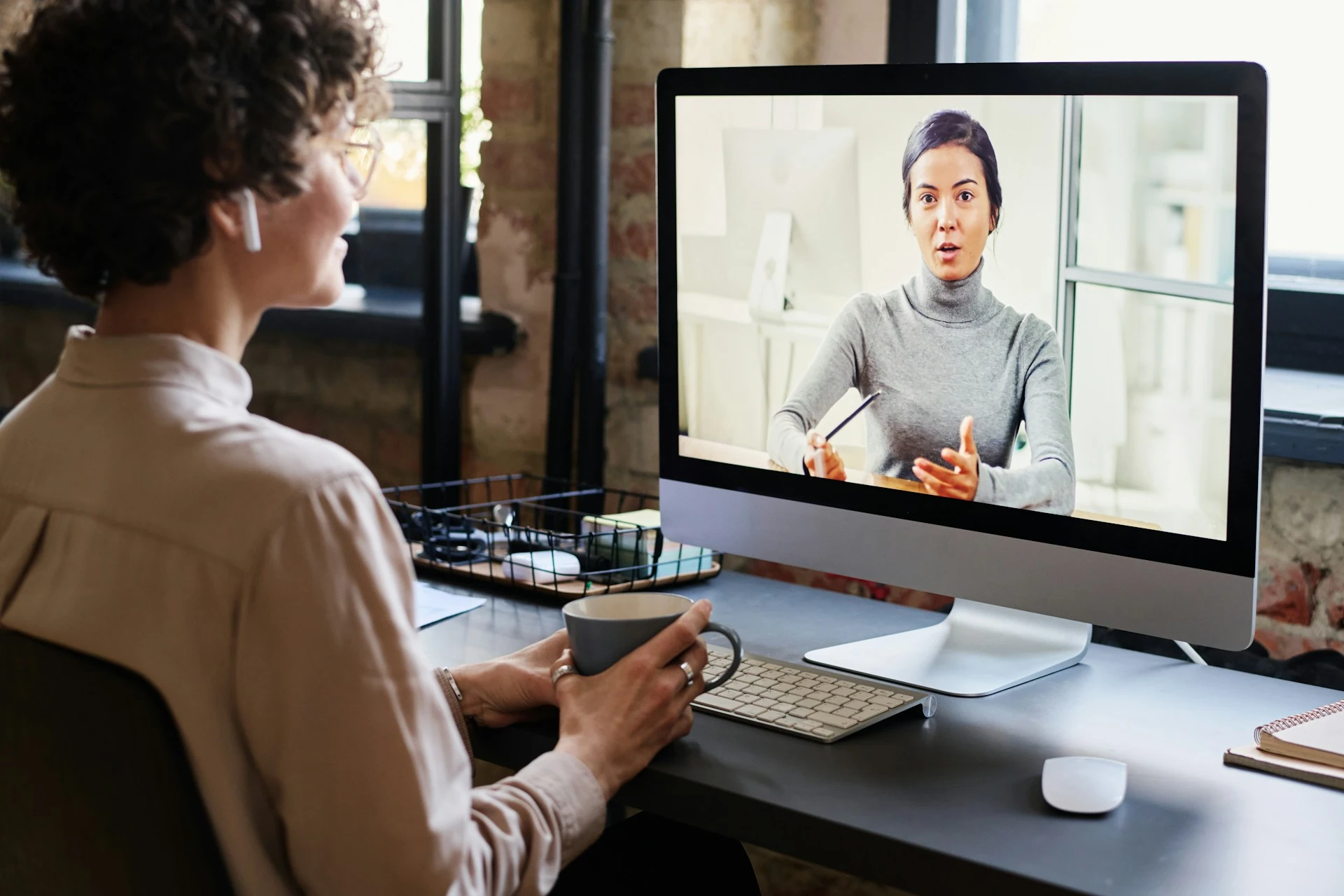
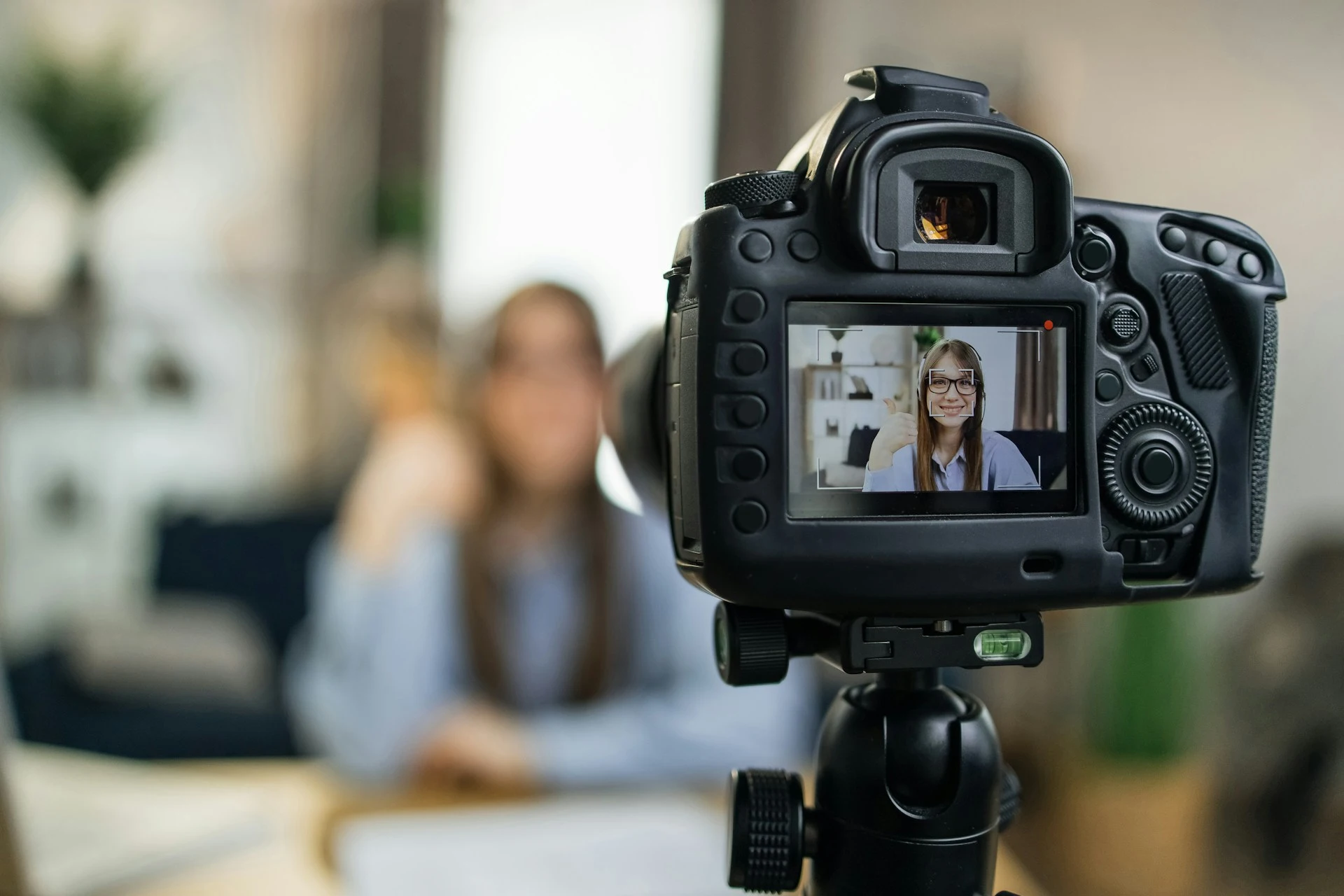
AI lip sync uses artificial intelligence to reshape a speaker's mouth movements so they match a new audio track. The technology analyzes the facial movements in your original video, then regenerates the mouth area frame by frame to align with the new speech. The result is a dubbed video where the lips match what viewers hear.
Upload your video file to Maestra, generate a voiceover in your target language, then switch on lip sync in the export tab. The synced video is ready to download in a click. No installs and no video editing software needed.
Yes. You can regenerate your own voice with AI voice cloning, then use that cloned voice as the audio track for lip synchronization. Voice cloning is available in 29 languages, so you can speak in markets you've never recorded in while keeping your own sound.
Both. Maestra syncs real human videos and AI-generated avatars alike: anything with a visible face and a clear view of the mouth. You can bring in an avatar video made elsewhere and sync it to a Maestra voiceover in any of 125+ languages.
Lip synchronization works with voiceovers in 125+ languages, with multilingual support covering all major world languages. Voice cloning covers 29 of them, so you can keep your own voice across a wide range of markets.
Maestra accepts MP4, MOV, MKV, AVI, and more. Both short clips and long-form video content work, as long as the speaker's face is visible and the speech is audible. No conversion needed before you upload.
Clear, well-lit footage where the speaker faces the camera gives the most natural results. Heavy motion blur, extreme angles, or a partially covered mouth make the mouth movements harder to track, so a cleaner source clip is worth using where you have one.
Lip sync is applied at export rather than while you edit, so a lip-synced download takes longer than a standard one. Exact time depends on the length and resolution of your video file, but most exports finish in minutes.
No. AI lip sync only adjusts the mouth movements needed to match the new audio. The speaker's facial expressions, head motion, and everything else in the frame stay exactly as you filmed them, which is what keeps the result looking like real people rather than animation.
Video translation and dubbing are free to try without an account. To apply lip sync and export your synced video, you need to sign up for a Maestra account. Lip sync is available on paid plans, so you can test the voiceover quality first and upgrade when you're ready to sync.
Yes. You can translate and sync the same video into several languages from one editor, without re-uploading your file each time. Switch between language versions, adjust each voiceover, then export your lip synced videos separately for each market.
Yes. Your files are encrypted in transit and stored under strict access controls, and you can request deletion at any time. See Maestra's privacy policy for full details.