10 Latest Podcast Trends Transforming the Industry Right Now
Podcasting evolves fast, and the latest podcast trends can feel like they change every few months. Some rise quickly and fade just as fast, while others reshape the medium and influence how creators grow, monetize, and connect with listeners. The crucial thing is that trends aren't just noise; they often point to where listener behavior is heading and where the biggest opportunities are emerging.
In this guide, we break down the podcast trends that will matter most in 2026 and why they’re worth your attention. We'll explore everything from live podcasting to the role of AI, hybrid formats, diversified revenue models, and more.
Each section includes research, real-world insights, and practical steps so you can turn these trends into actionable strategy, not just inspiration.
First, below is a shortlist of the latest podcast trends we'll cover in detail:
- The Era of Live Podcasting
- The World Is Tuning In
- The Power of Going Niche
- Smarter Podcasting with AI
- The Rise of Immersive Audio and Interactive Content
- The Audio-Video Fusion
- Turning Listeners Into Members
- The Multi-Revenue Podcast Model
- Micro Episodes, Major Reach
- Growing Through Guesting
Now let's begin.
Latest Podcast Trends to Follow in 2026
Before digging into the following insights, it's worth noting that many of these trends don't exist in isolation. They overlap, reinforce one another, and often work best when used together. A smart creator doesn’t chase every trend but understands how the right combination can elevate their show’s reach, quality, and long-term sustainability.
With that in mind, here’s the full breakdown of the trends shaping the industry right now:
1. The Era of Live Podcasting
Live podcasts have evolved from occasional fan events into a core strategy for podcasters looking to strengthen their audience relationships and diversify revenue. The change is happening fast: StubHub reported that ticket sales for live shows by creators, including podcasters, grew by nearly 500% in 2025 compared to the previous year. That level of demand speaks clearly: listeners want proximity to the hosts they already spend hours with each month.
This surge aligns with a broader cultural move toward experiential entertainment. Hybrid and experience-focused formats are defining themes of 2025 and beyond, signaling that fans increasingly value shared, real-world moments over purely digital content. For podcasters, this makes live shows not just an add-on but a strategic content extension.
Key takeaway: Hybrid setups (live + recorded + streamed) allow podcasters to turn a single event into multiple pieces of content, expanding reach while strengthening fan connection.
How to put this trend into practice:
- Start with one small live show (50-150 people) where your listener density is highest.
- Release the event as a special episode to maximize output from a single production.
- Add interactive elements (Q&A, polls, live prompts) to justify the “live” feel for audio-only listeners.
- Offer tiered ticketing (general, VIP, meet-and-greet) to increase revenue per attendee and create a sense of exclusivity.
- Use a real-time translator to offer both translated voice and multilingual captions, allowing international listeners to follow the show in their preferred language.

Translate Podcasts Live
2. The World Is Tuning In
Over the years, podcasting has shifted from a regionally dominated medium to a global one, with explosive uptake in markets outside the U.S. and Europe. According to PodcastVideos.com, global listener numbers reached around 584.1 million in 2025, and forecasts suggest the audience could exceed 650 million by 2027.
Meanwhile, engagement rates in many non-English markets now surpass those in mature podcasting regions. A YouGov analysis found that 41% of surveyed consumers across 49 markets listen to podcasts at least one hour per week. This highlights a fundamental pattern: the fastest-growing segment of podcasting is international, multilingual, and culturally diverse.
Key takeaway: Global reach means opportunity. Creators who localize, collaborate internationally, or adjust their content strategy to serve multicultural audiences will capture listeners competitors aren’t even aware of.
How to put this trend into practice:
- Review your analytics to identify emerging regions where listener numbers are climbing faster than expected.
- Use AI-powered tools to generate multilingual subtitles or fully dubbed audio/video versions of your episodes. Tools like Maestra’s auto subtitle generator and audio translator make this easy to scale without re-recording or hiring voice actors.
- Adjust release timing to align with peak listening hours in your top international markets, or consider releasing episodes twice to serve multiple time zones.
- Add multilingual show notes and episode descriptions to your hosting platform and website, as even basic translation improves discoverability in non-English search results and podcast directories.
- Partner with podcasters in target markets for cross-promotion or guest swaps. This builds trust with local audiences faster than entering cold.

3. The Power of Going Niche
As the podcast industry continues to expand, broad general-interest shows are losing ground to niche shows that speak directly to defined audiences. Many podcast listeners increasingly want content that aligns with their exact interests, identities, and professional needs, not another generic conversation covering everything and nothing.
This trend is reinforced by how podcast platforms now surface content. Recommendation algorithms reward shows with strong engagement signals, clear themes, and consistent metadata, all areas where niche podcasts naturally excel.
Key takeaway: Specific beats broad. Niche podcasts attract smaller but far more loyal and engaged audiences, making them easier to grow and monetize.
How to put this trend into practice:
- Identify a clear niche by defining exactly who your podcast is for and why your perspective or expertise uniquely serves that audience.
- Build 3–5 tightly focused content pillars to keep your episodes aligned with your niche theme.
- Optimize your titles, descriptions, and tags with precise, high-intent keywords instead of broad categories.
- Bring on specialized guests or practitioners who add credibility and depth your audience can’t get elsewhere.
- Repurpose niche-heavy discussions into targeted short clips for social platforms where specificity performs well in algorithmic feeds.

4. Smarter Podcasting with AI
AI will continue to reshape how podcasts are created, edited, distributed, and discovered. What began as a handful of editing shortcuts transformed into full production workflows powered by AI, covering everything from noise removal to transcript generation. As The Podglomerate highlights, this is democratizing production by enabling solo creators and small teams to produce studio-level content without the resources of a large media operation.
AI is also transforming how listeners find podcasts. Recommendation engines on platforms like Spotify and YouTube increasingly rely on AI-driven classification, metadata, and pattern detection to suggest content to the right audiences. Shows with clean transcripts, clear episode structure, and consistent themes perform better in these systems.
Key takeaway: AI isn't replacing podcasters; it's amplifying the ones who take advantage of it correctly. Creators who embrace AI in both their creative process and distribution strategy are likely to gain a lasting competitive edge as the industry becomes more crowded.
How to put this trend into practice:
- Utilize AI assistants to brainstorm episode outlines, draft scripts, or maintain tone consistency across newsletters, show notes, and marketing materials.
- Use AI editing tools to automate first-pass cleanup (noise removal, filler-word reduction, leveling) so you spend more time shaping your narrative instead of fixing audio.
- Generate transcripts, summaries, and show notes with AI to improve accessibility and give platforms more metadata to surface your episodes.
- Repurpose each episode into short clips, reels, or highlight moments using AI clipping tools, turning one recording into weeks of social content.
- Analyze listener behavior with AI-driven insights, such as completion rates and topic performance, to refine your episode structure.

5. The Rise of Immersive Audio and Interactive Content
Immersive and interactive content is emerging as a powerful way to deepen listener engagement as podcast audiences grow more sophisticated. Listeners increasingly want shows that feels dynamic, participatory, and sensory-rich; something beyond the classic “two people talking into mics” format. According to a report on DailyRead, immersive audio and 3D/spatial sound are increasingly recognized as growing formats within podcasting, driven by new audio technologies and changing audience expectations.
Recent discussions in the industry also highlight the rise of interactive elements (such as listener polls, branching narratives, and Q&A prompts) as a way to turn passive listeners into active participants. The format is expanding beyond storytelling genres as platforms roll out built-in interactive tools that any creator can use.
Key takeaway: Immersive formats transform passive listening into an active experience, significantly boosting retention rates and differentiating your show in a crowded feed.
How to put this trend into practice:
- Add in-episode polls, Q&A prompts, or listener challenges to create small yet meaningful moments of participation.
- Experiment with 3D audio, spatial sound, and subtle soundscapes by adding simple environmental effects (like room tone or distant shifts) to highlight key narrative moments.
- Build interactive narrative arcs (such as listener-driven episode decisions) especially for fiction or role-play shows.
- Use platform-native tools (Spotify Q&A, YouTube polls, community posts) to gather listener decisions that influence future episodes.
- Repurpose interactive moments into short clips or promotional snippets to differentiate your show across social platforms.

6. The Audio-Video Fusion
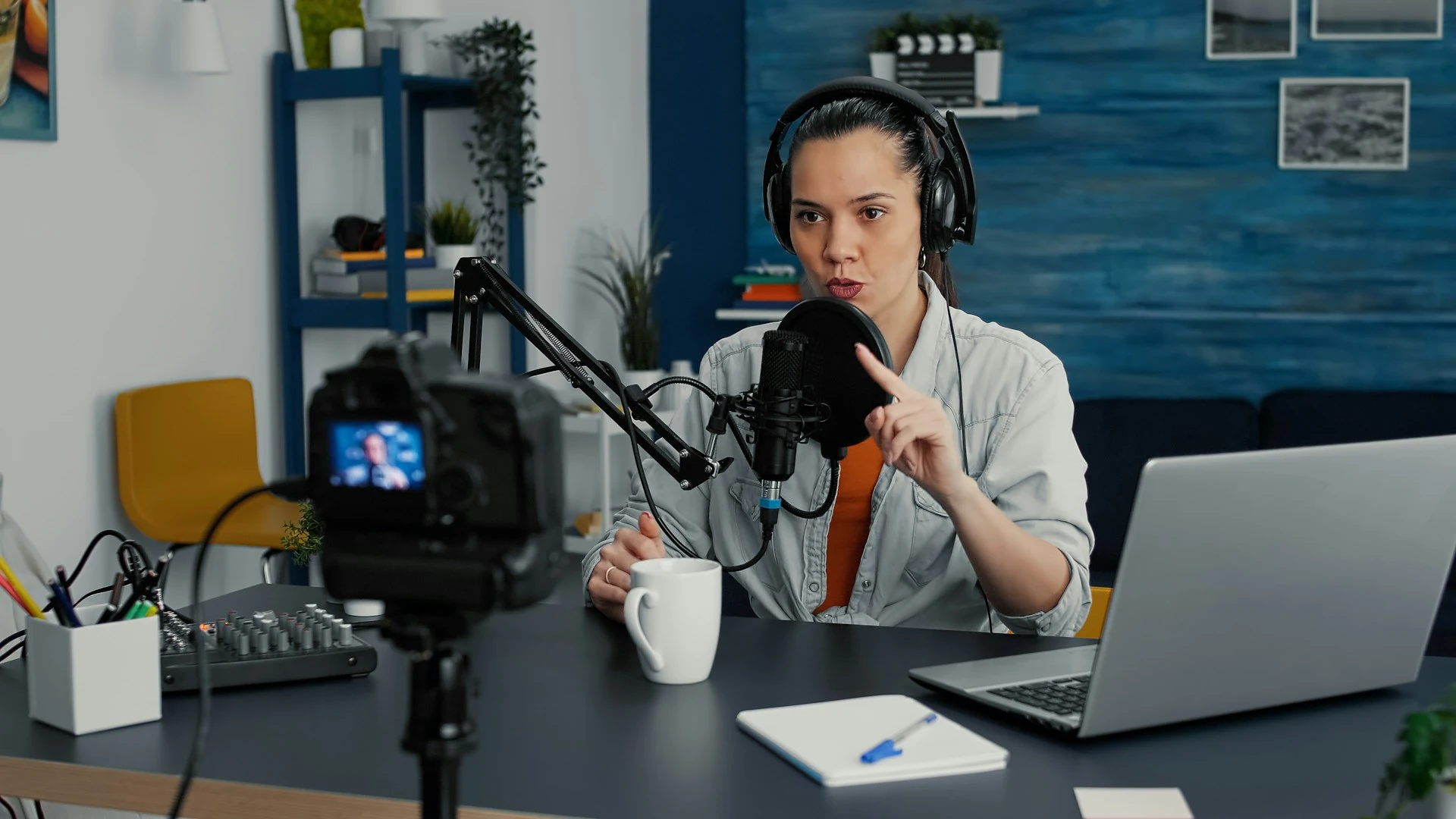
Video podcasts have become one of the strongest content formats across major platforms, as YouTube and Spotify both push visual podcast experiences to the forefront. As a result, hybrid podcasting (producing episodes in both audio and video formats) is quickly becoming the default strategy for creators aiming to grow beyond the limitations of audio-only distribution.
This isn't just anecdotal. As TechCrunch reports, Spotify now hosts around 500,000 video podcasts, and nearly 400 million users have streamed video podcast content on the platform, a clear signal that visual podcasting has gone mainstream. This momentum aligns with YouTube’s continued investment in podcasting as a video-first medium, reshaping listener expectations across the industry.
Key takeaway: With platforms like Spotify and YouTube prioritizing video-first podcast experiences, hybrid formats are becoming a reliable path to audience expansion.
How to put this trend into practice:
- Start with a simple video setup: a single camera, clean framing and decent lighting are enough to begin creating hybrid content.
- Film with social clips in mind by keeping subjects centered or using AI tools to auto-crop long-form video into vertical Shorts and Reels.
- Create custom thumbnails that differ from your standard cover art to drive higher click-through rates and boost SEO on visual-first platforms like YouTube.
- Build in natural “clip moments” (strong insights, reactions, or punchlines) that translate well into short-form video highlights.
- For global audiences, use a video dubber to publish multilingual versions of your video episodes.
7. Turning Listeners Into Members
As podcast advertising becomes more competitive and less predictable, creators are increasingly turning to subscriptions and direct-support models to build stable, recurring revenue. Platforms like Apple Podcasts, Spotify, and Patreon have made it easier than ever to offer bonus content, early access, ad-free episodes, or private community feeds.
This strategy is also strengthened by changes in listener behavior. Audiences are showing a growing interest in exclusive, behind-the-scenes, or extended content that feels more intimate than the main feed. According to a 2025 industry overview from Mordor Intelligence, the global podcast market is projected to grow sharply over the coming years, with subscription-based and listener-supported models contributing significantly to that expansion.
Key takeaway: Recurring revenue is shifting from a “nice-to-have” to a core part of podcast sustainability, and creators who offer meaningful subscriber perks will see more predictable income.
How to put this trend into practice:
- Offer tiered membership levels to capture different segments of your audience, from fans who just want to support the show to super-fans willing to pay for exclusivity.
- Create subscriber-only content such as extended interviews, behind-the-scenes discussions, or topic deep dives.
- Release episodes early for paid members to give them a tangible benefit without creating more production work.
- Host private community spaces (Discord, Slack, or Circle) where premium listeners can interact directly with each other and influence show topics.
- Promote your subscription within episodes, not just show notes, to remind listeners of the value they get by joining.

8. The Multi-Revenue Podcast Model
Building on the rise of subscription and direct-support models, many podcasters are now expanding beyond listener payments to build full revenue ecosystems. As the industry matures, relying solely on ads (where competition is fierce) has become increasingly risky. This has pushed podcasters toward multi-stream monetization: combining ads, memberships, digital products, live events, merchandise, and brand partnerships into a more stable and scalable business model.
Industry forecasts reinforce this transformation. According to Grand View Research, the global podcast market is projected to reach $131.13 billion by 2030, fueled not only by advertising but by a diverse mix of creator-driven revenue channels. This diversification allows podcasters to repurpose their expertise into new offerings and create income streams that remain stable even when one source slows.
Key takeaway: A sustainable podcast business doesn’t rely on a single revenue stream. Diversifying your monetization mix gives you stability, flexibility, and more ways to earn from the value you already deliver.
How to put this trend into practice:
- Pitch direct sponsorships to niche brands that align with your values, focusing on long-term partnerships rather than one-off ad spots.
- Develop merchandise that reflects your brand identity (catchphrases, inside jokes, or logo gear) and resonates with your core listeners.
- Host paid live events or workshops that build community while generating high-margin revenue.
- Turn your strongest episodes into evergreen mini-courses that listeners can purchase independently of your subscription tier.
- Offer high-ticket coaching or consulting for listeners who want direct access to your advice beyond the podcast.

9. Micro Episodes, Major Reach
Short-form podcast content has surged as listening habits evolve toward quick, high-impact audio experiences. With audiences increasingly consuming content on the go (between tasks, during short commutes, or while browsing social platforms) creators are finding success with episodes that deliver value in just a few minutes.
Platforms are reinforcing this movement. Social algorithms reward short, punchy clips, and many listeners now discover podcasts through vertical video snippets rather than traditional podcast apps. An article on PodcastVideos.com specifically recommends repurposing podcast episodes into bite-sized vertical clips to boost visibility and reach.
Key takeaway: Short-form content has become one of the most effective discovery tools in podcasting, giving creators a fast, low-friction way to reach new listeners through vertical video snippets and quick audio highlights.
How to put this trend into practice:
- Launch a recurring micro-episode series (e.g., “Quick Tip Friday”) to give listeners consistent, easy-to-digest content.
- Focus each short episode on one clear idea or actionable takeaway to maximize impact.
- Use analytics to identify the strongest, most replayed moments from your longer episodes and turn those into clips.
- Create theme-based snackable playlists (e.g., “Mindset in 5 minutes”) to help new listeners binge short content before committing to full episodes.
- Add short teaser clips at the start of your long episodes to set expectations and hook listeners early.

10. Growing Through Guesting
Few growth tactics in podcasting deliver returns as consistently as guest appearances. One well-placed interview can introduce your show to thousands of listeners. At the same time, bringing the right guests onto your own show accelerates content quality, adds expertise you don’t have in-house, and creates natural opportunities for cross-promotion.
The process has also become dramatically easier. Guest-matching platforms now automate what used to be a tedious mix of cold outreach, manual filtering, and endless scheduling emails. According to Growth Market Reports, the global market for podcast guest-matching platforms is projected to reach USD 773.8 million by 2033, reflecting rapid adoption as creators increasingly rely on these tools to streamline their booking workflows.
Key takeaway: Services like PodMatch, MatchMaker.fm, and PodcastGuests.com are fueling a new system around guest collaborations, making guesting a core part of podcast growth strategy.
How to put this trend into practice:
- Use dedicated platforms to automate matching and reduce the time you spend finding relevant shows or guests.
- Invite guests who bring complementary expertise and non-overlapping audiences, increasing cross-promotional gain for both sides.
- Create a guest media kit (bio, topics, sample questions, headshots, links) to make it effortless for hosts to prepare and promote your appearance.
- Pitch "Series Swaps" where you and a similar host agree to guest on each other’s shows within the same month, doubling the cross-promotional impact.
- Automate your follow-up by setting up a template that instantly sends guests their promotional assets (social clips, quotes, links) on the day the episode drops.

Final Verdict
These latest podcast trends paint a clear picture of where the industry is headed, and they’re worth paying attention to if you want to stay competitive rather than play catch-up. New formats, smarter tools, and shifting listener behavior are creating opportunities that didn’t exist a few years ago, and creators who lean into them can have a noticeable advantage.
Still, none of this replaces the fundamentals. These trends can amplify a great show, but they can’t fix a weak one. Strong storytelling, a clear point of view, and a consistent publishing rhythm will always do more for your growth than any emerging tactic or shiny new tool. Use these trends as multipliers, not substitutes, and you’ll build something that lasts long after the buzz fades.
Frequently Asked Questions
Will podcasts still be popular in 2026?
Yes, podcasts will remain popular in 2026, driven by steady global growth in podcast listening across both mature and emerging markets. Formats like video podcasts, short-form clips, and interactive audio content are pulling in audiences who prefer more dynamic and personalized experiences. As long as creators keep innovating with storytelling, distribution, and technology, podcast listening will continue to rise.
What is the future of the podcast industry?
The future of the podcast industry is defined by continued global expansion and more sophisticated listener behavior. As platforms invest heavily in video, AI, and interactive features, creators will have more tools to stand out. Monetization will also diversify, giving podcasters multiple paths to build sustainable businesses.
What do the latest podcast statistics reveal about listener behavior and industry trends?
According to Backlinko, the number of people listening to podcasts worldwide reached approximately 584.1 million in 2025, and global listenership continues to grow year over year. Meanwhile, YouGov states that 41% of consumers across 49 markets listen to podcasts for at least an hour weekly, indicating podcasts are increasingly becoming a regular habit rather than occasional entertainment. Lastly, listener behavior is shifting toward mobile-first and multitasking usage, as The Podcast Host highlights.
What will be the biggest podcast trend in 2026?
It’s hard to name one single trend for 2026, but AI is the strongest contender because it’s starting to shape every part of the podcast workflow. Instead of just speeding up editing, AI is beginning to influence planning, formatting, and how creators understand their audiences. If this continues, AI will become the behind-the-scenes engine that powers most successful shows.
What does the future of video podcasting look like?
The future of video podcasting looks exceptionally strong as platforms like YouTube and Spotify continue prioritizing visual-first experiences. Creators who adopt video gain more entry points into algorithmic discovery through thumbnails, clips, and recommended feeds. Video also produces far more shareable moments, allowing episodes to travel across social media platforms in ways audio never could.
What does the future of podcast live streaming look like?
The future of podcast live streaming looks promising as audiences increasingly want real-time interaction with their favorite hosts. Live formats offer a sense of community and immediacy that pre-recorded episodes can’t match. This collective energy will push more shows to incorporate live sessions into their release rhythm.
What trends are shaping the podcast advertising market right now?
The podcast advertising market is growing rapidly. According to Grand View Research, global podcast ad spending is projected to nearly double from about USD 19.36 billion in 2024 to USD 38.52 billion by 2030, signaling strong confidence from advertisers. At the same time, podcast ads are evolving. More brands are shifting budgets from traditional media toward targeted, host-read ads, dynamic ad insertion, and cross-platform campaigns for greater reach and relevance.